
Does Baby Hair Change? Tips on Caring for Newborn Hair Growth
Many parents wonder: Does baby hair turn into real hair? The short answer is yes. Almost all babies go through a natural hair-changing cycle in their first months of life. Understanding this transition helps you care for your newborn’s scalp gently and confidently.
In this post, we break down why baby hair changes, what to expect, and how to care for your little one’s delicate strands with safe, child-friendly products.
⭐ Does Baby Hair Turn Into Real Hair?
Yes, newborn hair almost always changes. Babies are born with vellus hair, which is soft, fine, and temporary. This hair usually sheds within the first 3–6 months before being replaced with terminal hair, sometimes called “real hair.” Factors that affect how your baby’s hair changes include:
-
Genetics
-
Hormones
-
Nutrition
-
Scalp care
-
Ethnicity
-
Overall health
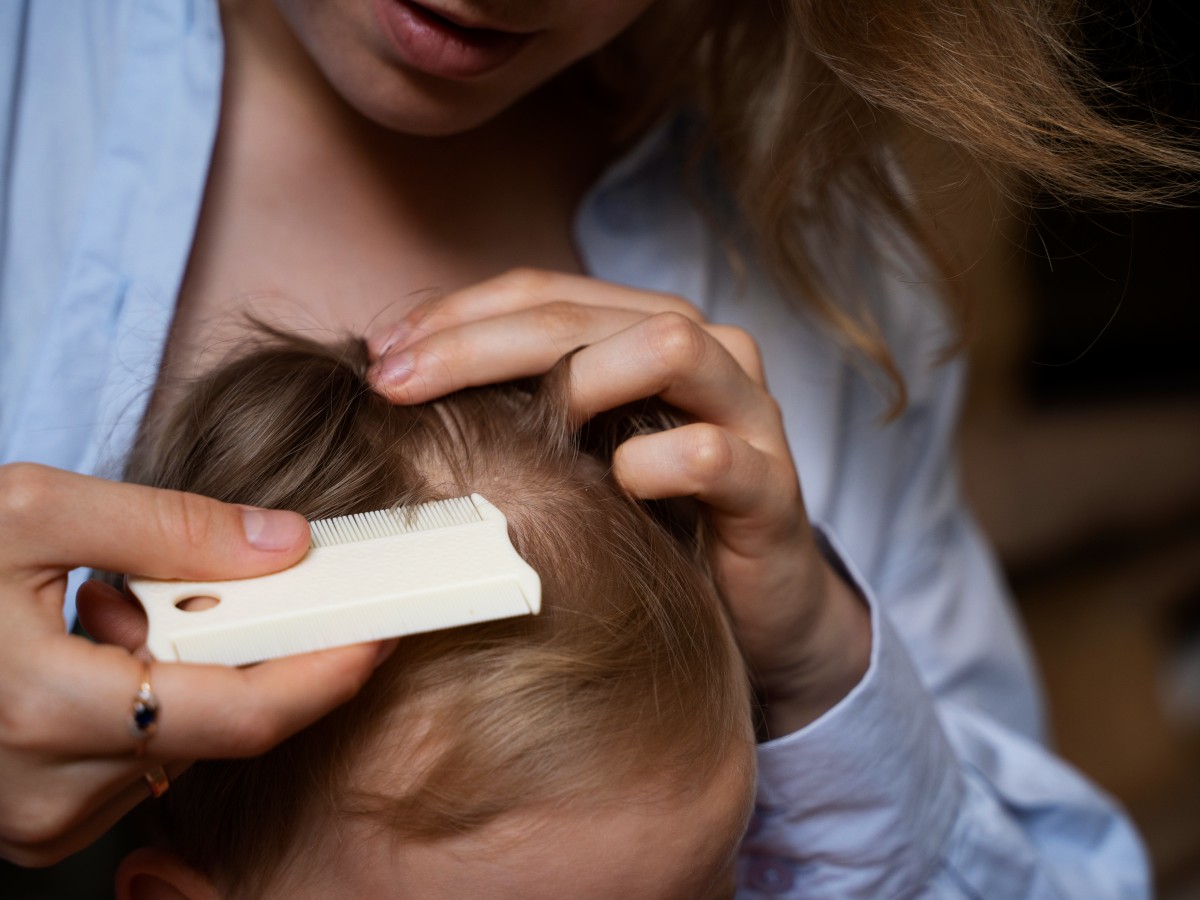
Some babies lose all their hair, while others shed only around the front or back (often caused by friction from sleeping). Both are completely normal.
⭐ When Will My Baby’s “Real Hair” Grow In?
Most babies start developing their new “real hair” between 3–12 months, but texture and thickness may continue changing until age 3.
Some babies who are born with straight hair may develop curls later. Others born with lots of hair may experience shedding before new growth comes in. Baby hair growth is rarely linear — so try not to stress.
For a simple breakdown of how hair grows and changes over time, you can read this medically reviewed guide from Verywell Health.
⭐ How to Care for Newborn Hair During the Transition
Even though baby hair is temporary, their scalp care routine matters and can support healthier growth later. Here are the most recommended tips:
-
Keep Wash Days Gentle and Infrequent
A newborn’s scalp doesn’t produce much oil, so washing 1–2 times per week is usually enough.
Use a mild, tear-free 2-in-1 wash that cleans without stripping natural moisture.
-
Moisturise Regularly
Just like skin, a baby’s scalp can get dry. Applying a lightweight baby-safe moisturiser or hair butter helps prevent flakiness.
You may like: Soa Baby Leave In Cream
-
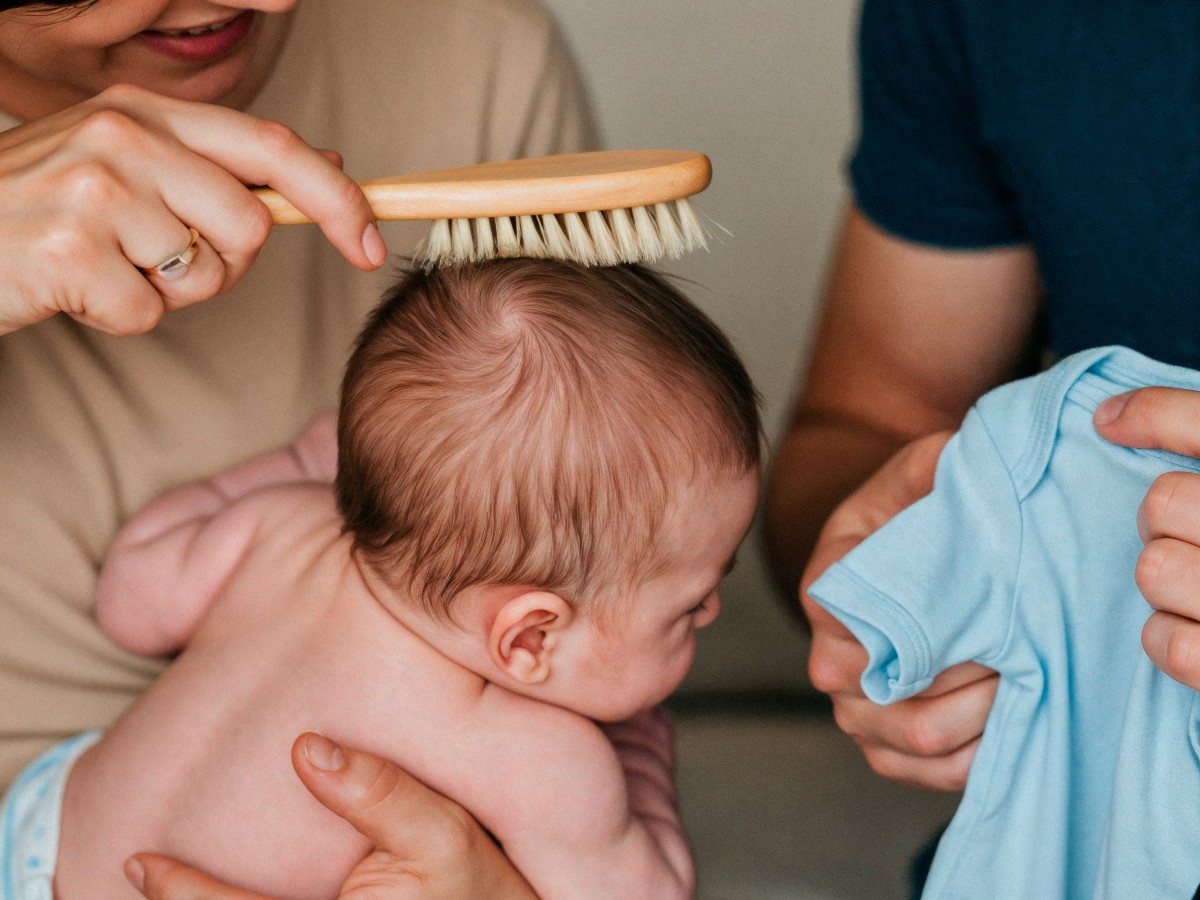
Brush or Comb Gently
Soft-bristle brushes stimulate circulation and encourage healthier growth.
Avoid tight hairstyles, as babies’ follicles are extremely delicate.
-
Tackle Cradle Cap Safely
Cradle cap is common and harmless.
A gentle routine works best:-
Soften flakes with baby oil
-
Loosen with a soft brush
-
Wash with a mild shampoo
For medically reviewed guidance, check the NHS cradle cap advice.
-
- Protect the Hairline
Try satin or silk sheets for babies over 1 year old (not for newborns). For younger babies, reduce friction by repositioning their sleeping direction.
⭐ What If My Baby Has Bald Patches?
Bald spots around the back of the head are usually caused by friction from lying down, not poor hair growth.
These patches commonly fill in once babies begin sitting and crawling.
If you’re noticing persistent issues like redness, scaling, or inflammation, consult your pediatrician.

⭐ Does Baby Hair Texture Change Later in Life?
Absolutely. It’s normal for hair to:
-
Become curlier or straighter
-
Change in colour
-
Become thicker or thinner
-
Develop a different pattern after age 2–3
⭐ Best Products for Baby Hair Growth
When caring for delicate baby hair, always choose products that are:
-
Fragrance-free or lightly scented
-
Dermatologist-tested
-
Formulated specifically for babies
-
Free from sulphates, parabens, and harsh surfactants
-
Moisturising without being heavy
Your brand’s products fit beautifully here, so include CTAs such as:
👉 Shop our gentle hair-care range
⭐ Final Thoughts
So does your baby hair turn into real hair? The answer is YES! The transition from baby hair to real hair, is completely natural. With gentle care, mild products, and a healthy scalp routine, you can support your baby’s hair as it grows, sheds, and blossoms into its real texture.
Your baby’s hair journey is unique, and every stage is beautiful.